
Urban Farming Made Easy: Transform Small Spaces into Productive Food Garden
19 February 2025
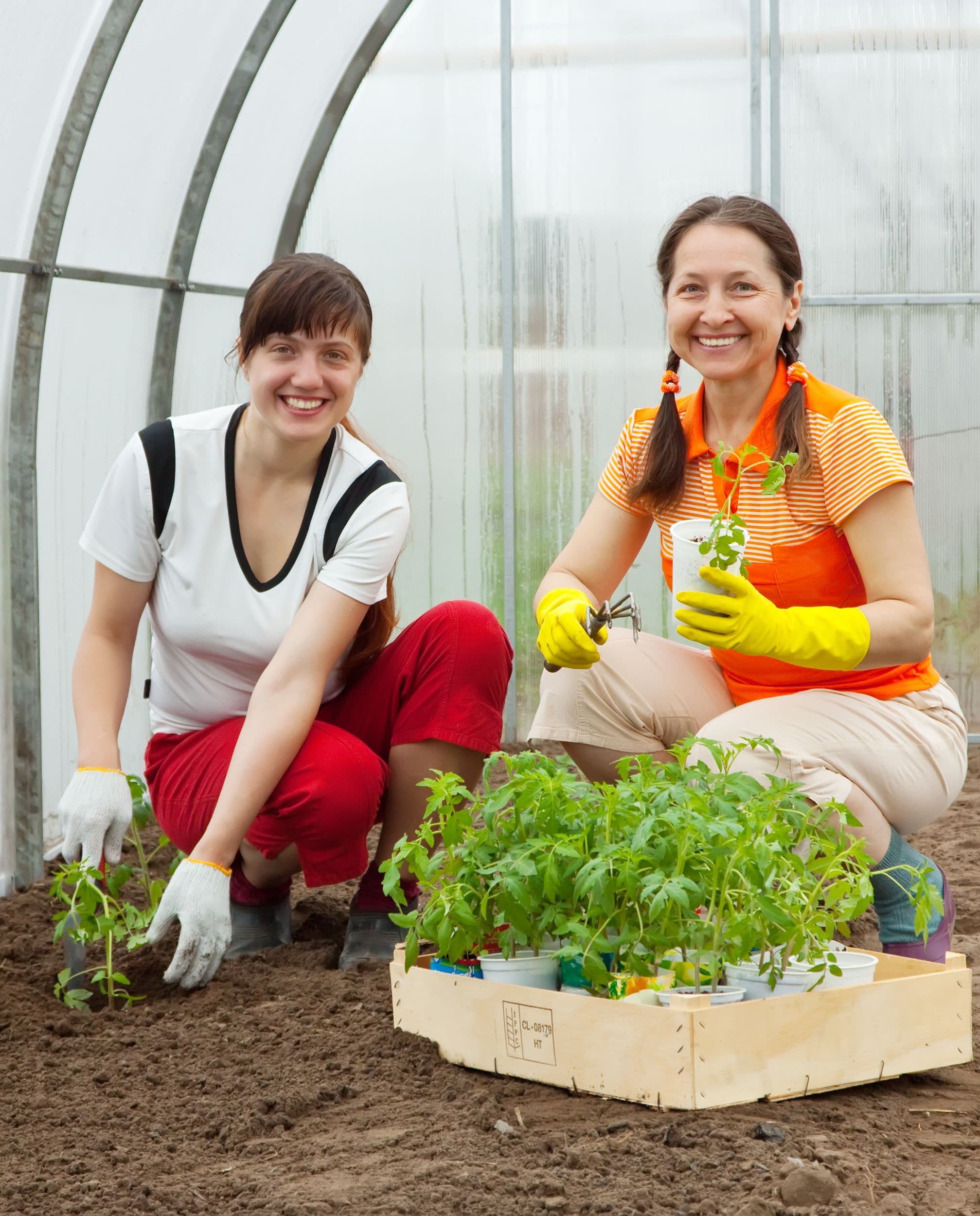
Urban farming is an increasingly popular practice that allows city dwellers to transform their small, often underutilized spaces into productive food gardens. The concept of urban farming provides individuals and families with the opportunity to grow their own food, reduce reliance on supermarket produce, and contribute to environmental sustainability. Whether you live in an apartment, a small home with limited yard space, or on a rooftop, it’s possible to cultivate a thriving garden right in the heart of your urban environment.
With the right approach to small space gardening, anyone can take advantage of their living situation to create a sustainable source of fresh, organic produce. This article will guide you through the process of transforming your small space into a productive food garden, offering practical tips and advice on the various methods available for urban agriculture. Whether you are interested in container gardening, vertical farming, or indoor farming, there’s a solution to suit every space and skill level. Let’s explore how you can embrace urban homesteading and create a flourishing garden that meets your needs.
Starting with the Basics: Understanding Urban Farming and Its Benefits
At its core, urban farming involves growing food in urban settings, which is typically done in small spaces such as backyards, balconies, rooftops, or even inside your home. It’s a form of urban agriculture that focuses on maximizing limited space while minimizing environmental impact. This practice not only helps individuals grow fresh produce at home, but it also encourages sustainability and organic urban gardening methods that support both personal and environmental health. With space-efficient gardening techniques, even the smallest areas can be transformed into productive food-growing zones.
Urban farming is an excellent way to reduce your carbon footprint. By growing your own food, you eliminate the need for transportation, packaging, and the associated environmental costs of purchasing commercially grown produce. Additionally, small-scale farming in cities offers numerous health benefits. Growing your own fruits and vegetables means you have control over what goes into the soil and onto your plate, which supports a healthier lifestyle by eliminating pesticides and synthetic chemicals. Whether you want to grow herbs, vegetables, or even edible flowers, urban farming offers a wealth of opportunities to enhance your quality of life.
Choosing the Right Space for Your Urban Garden
Before you dive into the world of urban farming, it’s essential to assess your available space. Urban spaces can vary widely, so understanding what you have to work with is crucial. For those living in apartments or homes with limited yard space, gardening in apartments and container gardening offer practical solutions. These methods involve using containers, such as pots, crates, or recycled materials, to grow a variety of plants. Containers can be easily moved to optimize sunlight, and they are perfect for growing smaller crops like herbs, lettuces, and tomatoes.
If you have access to an outdoor space, such as a small backyard or a rooftop garden, you may have more options available for growing food. Rooftop gardening is gaining popularity in urban areas due to its ability to take advantage of unused roof spaces. With the right equipment and design, a rooftop garden can flourish by utilizing vertical space, ensuring that you can grow a variety of crops without compromising on the available area. Likewise, backyard farming offers a more traditional approach to urban food production, where you can plant directly into the ground, provided the soil quality is suitable. Both options provide ample space for growing a diverse range of foods, including root vegetables, leafy greens, and even fruit trees, in a sustainable manner.
Utilizing Vertical Gardening for Maximum Yield
For many urban gardeners, space is at a premium. This is where vertical farming comes into play. Vertical farming involves growing plants upwards rather than outwards, maximizing the limited horizontal space available. This method is ideal for small balconies or even indoor spaces. Using structures such as trellises, vertical planters, or stacked containers, you can grow a variety of plants in a compact area, including climbing plants like beans, peas, or cucumbers. By adding vertical layers, you can create a system that allows for urban food production in even the smallest urban spaces.
Vertical farming not only maximizes space but also promotes better airflow around plants, reducing the likelihood of disease. Additionally, it can create visually appealing displays that double as living decorations. The benefits of vertical gardening extend to enhancing plant productivity as well. By using vertical structures, plants receive more sunlight, which is essential for their growth, especially in city environments where sunlight can sometimes be limited. This is a great method for those looking to combine gardening with edible landscaping, where aesthetics and practicality work hand-in-hand to create a functional and attractive food garden.
Container Gardening: The Perfect Solution for Small Spaces
One of the easiest ways to start your urban farming journey is through container gardening. It’s a fantastic method for growing food in small spaces, and it requires minimal effort and investment. Whether you’re gardening on a balcony, in a courtyard, or even on a windowsill, container gardening allows you to grow fresh produce in various types of containers such as pots, barrels, or even upcycled materials like old buckets or wooden crates. These containers provide a controlled environment for your plants, making it easier to manage soil conditions and water levels, both of which are crucial for healthy growth.
Container gardening is highly versatile and allows you to grow a range of plants, from herbs like basil and mint to vegetables such as lettuce, spinach, or peppers. The beauty of this method lies in its flexibility; if you find that a particular area isn’t receiving enough sunlight, you can easily move your containers to a better location. Moreover, containers can be stacked or arranged in creative ways to take advantage of both vertical and horizontal space. This form of gardening is ideal for beginners, offering a simple and low-maintenance way to grow food at home while learning the fundamentals of urban farming.
Indoor Farming: Bringing the Garden Inside
If outdoor space is limited or unavailable, don’t fret! Indoor farming is a fantastic alternative that allows you to bring the garden inside your home. Growing food indoors can be a rewarding and practical solution for those living in apartments or houses with no access to outdoor space. Indoor farming is not just limited to windowsill herbs; you can grow a wide variety of crops, including lettuce, spinach, and even strawberries using grow lights, hydroponics, or soil-based methods. These indoor gardening systems are designed to optimize the growing environment and ensure that plants receive adequate light, water, and nutrients.
Indoor farming can also be highly space-efficient, as it often involves stacking plants or growing them in vertical systems, allowing you to make the most of every inch of available space. By incorporating smart gardening techniques, such as hydroponics or aeroponics, you can grow food indoors without needing a lot of soil, which is ideal for apartment living. Indoor farming is also an environmentally-friendly solution, as it can reduce your reliance on store-bought produce and significantly decrease food waste by growing only what you need. It’s the perfect way to embrace urban homesteading and create a more self-sufficient lifestyle, even in the most compact of living spaces.
Sustainable Gardening Practices for Urban Farmers
One of the primary benefits of urban farming is the ability to engage in sustainable gardening practices that help protect the environment. Sustainable gardening focuses on using eco-friendly methods to grow food, conserve water, and maintain healthy soil. By incorporating composting into your urban garden, you can reduce waste and enrich the soil with natural nutrients. Additionally, using organic methods to manage pests and diseases ensures that your garden remains free of harmful chemicals. Organic urban gardening methods prioritize biodiversity, improve soil health, and minimize pollution, all of which are essential aspects of sustainable urban agriculture.
Another key element of sustainable gardening is water conservation. Since many urban areas face water shortages or restrictions, it’s important to make the most of the water you use. Collecting rainwater, using drip irrigation systems, and mulching your plants to retain moisture are all practical ways to reduce water consumption in your garden. Additionally, using space-efficient gardening techniques such as vertical farming, container gardening, and rooftop gardening ensures that you’re making the most of your available space while also minimizing your environmental impact. This holistic approach to urban farming helps you grow food in a way that aligns with eco-friendly and sustainable values, all while enjoying the rewards of homegrown produce.
Urban Gardening Tips for Beginners
If you’re new to urban gardening, it’s essential to start small and build your confidence as you go. Gardening for beginners can be overwhelming, but with the right tips, it can be a fun and rewarding experience. Begin by assessing the amount of sunlight your space receives. Different plants require different levels of light, so it’s crucial to choose crops that will thrive in your environment. For example, leafy greens such as spinach or lettuce do well in partial shade, while vegetables like tomatoes and peppers need full sunlight.
Once you’ve identified your sunlight exposure, choose the right containers, soil, and plants for your space. It’s important to use high-quality soil that provides proper drainage to prevent waterlogging. You can also enhance your soil with organic compost or fertilizers to promote healthy plant growth. Additionally, start with easy-to-grow plants like herbs, salad greens, and compact vegetables, which are well-suited for small space gardening. As you gain experience and become more comfortable with urban farming, you can expand your garden and experiment with other techniques like vertical farming and indoor farming.
Frequently Asked Questions (FAQ)
What is urban farming? Urban farming refers to the practice of growing food in urban settings, typically in small spaces such as rooftops, balconies, or indoor environments. It encompasses various gardening techniques like container gardening, vertical farming, and indoor farming to maximize space and produce fresh, healthy food.
Can I grow food in an apartment? Yes, growing food in an apartment is entirely possible! Techniques like container gardening, indoor farming, and gardening in apartments make it easy to grow herbs, vegetables, and even fruit indoors. With the right lighting, containers, and soil, you can create a productive food garden in the comfort of your apartment.
What is vertical farming? Vertical farming is a method of growing plants upwards rather than outwards, using structures like trellises, racks, or stacked containers. This method maximizes limited space and increases productivity, making it ideal for urban environments where space is scarce.
How can I practice sustainable gardening in an urban setting? Sustainable gardening in urban areas involves using eco-friendly practices such as composting, rainwater harvesting, and avoiding chemical pesticides. Organic urban gardening techniques and space-efficient gardening can help minimize your environmental impact while still producing fresh, healthy food.
Is urban farming suitable for beginners? Yes! Urban farming is an excellent choice for beginners. Start small with easy-to-grow plants like herbs or salad greens and gradually expand as you gain experience. Use container gardening and space-efficient gardening methods to maximize your available space while learning the basics of gardening.